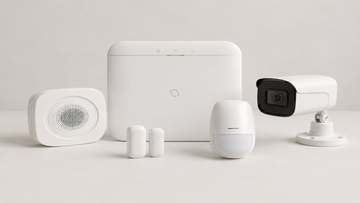
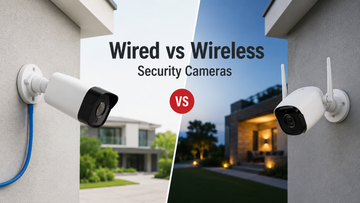
Choosing the right security cameras for your home can be challenging, especially with so many options available. One of the most important decisions homeowners face is whether to choose a wired or wireless system. Both options offer strong protection, but they differ in installation, reliability, and flexibility.
If you're building or upgrading your home security camera system, understanding the pros and cons of each type will help you make the best decision for your needs.
What Are Wired Security Cameras?
Wired security camera systems are connected through cables to a central recording device, such as a DVR. These systems are commonly used in traditional CCTV setups and are known for their reliability and consistent performance.
Because they are physically connected, wired systems are less likely to experience interference or signal drops. This makes them ideal for homeowners who want a stable and long-term solution. They are also well-suited for properties that require continuous recording and high-level surveillance coverage.
What Are Wireless Security Cameras?
Wireless cameras, often referred to as Wi-Fi security cameras, connect to your home network without the need for extensive cabling. These systems are becoming increasingly popular due to their convenience and ease of installation.
A 1080p wireless security camera can deliver high-quality video while allowing users to monitor their property remotely through mobile apps or computers. This flexibility makes wireless systems a great option for modern households, especially where quick installation is a priority.
Key Differences Between Wired and Wireless Cameras
Both systems can include outdoor security cameras, making them suitable for protecting entrances, driveways, and perimeters. Understanding the differences between these two options is essential when choosing the right security camera system.
|
Feature
|
Wired Cameras
|
Wireless Cameras
|
|
Installation
|
More complex (requires cabling)
|
Easy and quick setup
|
|
Reliability
|
Very stable connection
|
Depends on WiFi strength
|
|
Flexibility
|
Fixed positions
|
Easy to move and reposition
|
|
Maintenance
|
Low once installed
|
May require battery checks
|
|
Remote Access
|
Available (via DVR systems)
|
Built-in and user-friendly
|

Pros and Cons of Wired Security Cameras
Wired systems are often preferred by those looking for a long-term, high-performance security camera system with minimal interruptions.
Pros:
-
Highly reliable connection
-
No signal interference
-
Ideal for large properties
-
Continuous recording capability
Cons:
-
Installation can be time-consuming
-
Less flexible once installed
-
May require professional setup

Pros and Cons of Wireless Security Cameras
Wireless options are perfect for those looking for convenient house cameras for sale that can be installed without major effort.
Pros:
-
Quick and easy installation
-
Flexible placement options
-
Remote monitoring built-in
-
Ideal for renters or smaller homes
Cons:
-
Dependent on the WiFi connection
-
Possible signal interference
-
Battery maintenance required (in some models)
-
Maintaining privacy of information
Which Option Is Best for You?
Working with experienced security camera suppliers can also help you determine the best system based on your requirements and security camera price expectations. The right choice depends on your specific needs, property size, and budget.
Choose wired security cameras if you:
Choose wireless security cameras if you:
Factors to Consider Before Making Your Final Choice
Before making your final decision, it’s important to evaluate a few practical factors that can impact your overall experience. Taking the time to assess these elements will ensure that your chosen security camera system meets both your current and future needs.
-
Internet reliability: Wireless systems depend heavily on stable WiFi
-
Power supply: Wired systems require consistent power and installation planning
-
Scalability: Consider whether you may want to add more cameras later
-
Property layout: Larger or multi-level properties may benefit more from wired systems
Frequently Asked Questions
1. Are wired security cameras more reliable than wireless ones?
Yes, wired cameras generally offer a more stable connection since they are not affected by WiFi interference.
2. Do wireless cameras work without internet?
Wireless cameras can still record locally without an internet connection, but features like remote access and live viewing require an internet connection.
3. Which is easier to install: wired or wireless cameras?
Wireless cameras are easier and quicker to install because they don’t require extensive cabling.
4. Are wireless security cameras safe from hacking?
Most modern wireless cameras include encryption and security features, but it’s important to use strong passwords and keep software up to date.
5. Can I mix wired and wireless cameras in one system?
Yes, many modern systems allow hybrid setups, combining both wired and wireless cameras for maximum flexibility.
Final Thoughts
Both wired and wireless systems offer excellent protection, and the best choice depends on your individual needs. Whether you're installing a full home security camera system or upgrading your current setup, understanding these differences ensures you make a confident decision.
Want to understand why security cameras are essential? Read our full guide on the benefits of security cameras for homes and businesses.