A modern security strategy goes beyond installing a few cameras. The best protection comes from combining security camera systems, CCTV systems, alarm systems, and an access control system into one integrated solution.
Running a small business in South Africa means balancing growth with security. No matter the business you have, theft, vandalism and unauthorised access can disrupt your operations and lead to costly losses. Business crime remains a persistent challenge nationally, according to SAPS crime statistics, which makes proactive security planning essential.
This guide explains what to look for, which features matter most, and how to choose a setup that fits your business.
Why Security Camera Systems Matter
A security camera system is one of the most effective ways to protect your business. Visible cameras discourage criminals, while recorded footage provides valuable evidence if theft, vandalism, or other incidents occur.
Modern systems also improve day-to-day operations, letting business owners monitor multiple locations remotely, verify deliveries, keep an eye on staff and quickly review incidents without being on-site.
For many businesses, cameras are just as valuable for improving accountability and reducing internal theft as they are for preventing break-ins.
Choosing the Right Security Camera System
No two businesses have the same security requirements. A small office may only need a few cameras, while a warehouse or retail store requires broader coverage and more recording capacity.
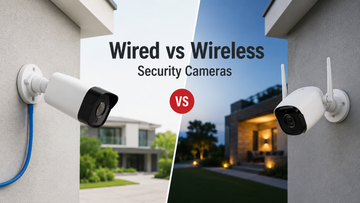
Most modern CCTV systems use IP cameras instead of older analogue technology. IP cameras produce higher-quality images, allow remote viewing through mobile apps, and are easier to expand as your business grows. They also integrate more easily with alarms and access control systems.
When comparing security camera systems, prioritise features that improve both security and usability:
- HD or 4K image quality
- Night vision
- Motion detection
- Remote viewing
- NVR recording
- Backup power compatibility
Professional camera placement is equally important. Entrances, parking areas, cash handling points, stock rooms and delivery zones are often the highest-priority areas for surveillance.

CCTV Systems: IP vs Analogue
Although the terms CCTV and security cameras are often used interchangeably, there are important differences between older analogue systems and modern IP technology.
Analogue CCTV systems use a DVR (Digital Video Recorder) and remain a cost-effective option for smaller budgets. However, they generally provide lower image quality and fewer smart features.
IP camera systems connect to an NVR (Network Video Recorder), delivering sharper video, easier remote access and intelligent features such as person detection and advanced search functions. For most small businesses, IP systems offer better long-term value and greater flexibility.
Building a Complete Business Security Setup
Security cameras work best as part of a layered security strategy. While cameras record events, other systems help prevent incidents and improve response times.
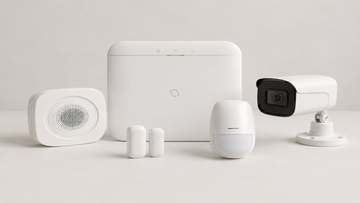
An alarm system detects unauthorised entry using motion sensors, door contacts and outdoor beams. Many systems can also notify you instantly through a mobile app or connect directly to an armed response company.
An access control system replaces traditional keys with PIN codes, access cards or biometric readers, making it easier to manage employee access, protect sensitive areas and keep a record of who entered the premises.
When these technologies work together, your business benefits from faster incident verification, simplified management and stronger overall protection.
Matching Your Setup to Your Industry
The ideal security solution depends on your industry and the risks your business faces.
Retail stores often prioritise entrances, tills and stock rooms, while offices focus on reception areas and controlled staff access. Warehouses usually require perimeter surveillance and loading bay monitoring, whereas restaurants benefit from cameras covering entrances, cash handling areas and delivery points.
A professional site assessment helps identify vulnerable areas and ensures cameras are positioned for maximum coverage, rather than simply covering the obvious locations.
What Affects the Cost?
The cost of a business security system depends on much more than the number of cameras you install. Property size, camera quality, storage requirements, alarm components, and access control all influence the final price.
Cheaper equipment may reduce the upfront cost, but it often delivers poorer image quality and reduced reliability. Investing in trusted products and professional installation usually provides better long-term value and makes future upgrades much easier.
It's also worth choosing a system that can grow with your business, since adding cameras or access points later is far more affordable than replacing an entire installation.

Common Mistakes to Avoid
Many businesses invest in security equipment but overlook the basics:
- Poor camera placement, which leaves blind spots around entrances and valuable assets
- Low-quality cameras that fail to capture clear evidence when it's needed most
- Skipped maintenance, as dirty lenses, outdated firmware and failing hard drives reduce system performance over time
- No backup power, leaving cameras and recorders offline during load shedding
To avoid this last issue, use battery backups or UPS units to keep your system running through power outages.
Choosing a Security Provider
Even the best equipment won't perform properly if it's poorly installed. An experienced security provider will assess your premises, identify potential risks and recommend a solution based on your business rather than sell you a standard package.
Look for a company that offers professional installation, trusted brands, ongoing maintenance and reliable after-sales support. It's also worth confirming that your installer is registered with PSIRA (the Private Security Industry Regulatory Authority), South Africa's regulator for the private security industry. If possible, choose a provider that can integrate your cameras, alarms and access control into one easy-to-manage system.
Final Thoughts
The best protection for a small business doesn't come from a single product. It comes from a well-planned security strategy. By combining security camera systems, CCTV systems, alarm systems and access control, you can reduce security risks, improve visibility across your premises and respond more effectively when incidents occur.
Whether you're securing a small office or a growing commercial property, investing in the right security solution today can help protect your business well into the future. Get in touch with our team for tailored advice on the right setup for your business.